Quick Summary
Phone screen recording SiriusXM causes black screens from DRM protection. Fix with Windows WASAPI loopback, Mac BlackHole, or auto-tagging tools.
If you tried recording SiriusXM with your phone’s screen recorder and got a black screen or silent video, the problem isn’t your setup.
SiriusXM uses DRM protection that blocks phone-level recording at the hardware layer. The only reliable way to save SiriusXM content is system-level loopback recording on a computer, which captures already-decrypted audio from your sound card. This works on both Windows and Mac, but the exact setup differs. If you want auto-split tracks with metadata tags, you’ll need either patience with free tools or a dedicated recorder.
Why Your Phone’s Screen Recording Fails (DRM Explained)
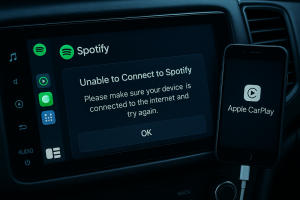
SiriusXM streams use DRM protection with HDCP (High-bandwidth Digital Content Protection). When your phone’s screen recorder detects protected content, it forces either a black screen or muted audio. This isn’t a bug—it’s hardware-level protection working as designed. Your screen recorder isn’t on the system’s “authorized list,” so the stream gets blocked before any app can access it.
The key insight: Computer loopback recording works because it captures audio after decryption—your sound card receives the already-unlocked audio, and recording software grabs it from there. The DRM system doesn’t detect this as “recording” because it’s just monitoring normal playback output.
Bottom line: Phone recording fails at the hardware gate; computer loopback succeeds because it works downstream of the decryption layer.
How to Bypass SiriusXM Timeout (Record Without Silence)
Even after switching to computer recording, SiriusXM’s web player has another mechanism that affects long recordings.
According to SiriusXM’s official help center, the web player sends a “Keep Listening?” popup after roughly 90 minutes of continuous playback. You have 5 minutes to click—if you don’t, the stream stops entirely.
This isn’t random. It’s an anti-idle mechanism designed to prevent users from leaving streams running indefinitely without interaction. For recording, this creates a critical problem: if you’re capturing a 3-hour radio show or album block, you’ll hit that timeout wall unless you intervene.
If you miss the popup:
- Your recording continues, but it captures silence from that point forward
- You won’t notice until you replay the file hours later
- The popup doesn’t pause playback—it terminates the stream
Method A: Set a reminder timer (Recommended for most users)
- Set a phone alarm or computer timer for 85 minutes when you start recording
- When the alarm goes off, look for the “Keep Listening?” popup in your browser
- Click “Keep Listening” and reset your timer for another 85 minutes
- Pro tip: Keep the browser tab visible (not minimized) so the popup doesn’t get hidden behind other windows
- Limitation: You need to stay near your computer, but it’s reliable and zero-risk
Method B: Use a simple auto-clicker (For unattended recording)
- If you need to leave the computer running, use AutoHotkey (Windows) to automate clicking
- Quick setup: Download AutoHotkey, create a script that clicks the “Keep Listening” button location every 80 minutes
- Caution: Only use this for personal, non-commercial recording. Don’t use browser automation extensions—they’re more likely to be detected by SiriusXM’s security systems.
- Alternative: If scripting sounds intimidating, simply check back every 80 minutes during long recordings
Method C: Dedicated recorder with silence detection
- Some paid recording software (like Cinch Audio Recorder) can detect when audio drops to silence and auto-pause
- More hands-off, but requires specific software
One detail worth noting: the timeout only applies to the web player. If you’re recording from a satellite receiver’s audio output via 3.5mm line-in to your computer, the timeout doesn’t occur—but that requires hardware you may not have.
How record SiriusXM on your computer?
Record at the system level instead of the screen. This captures the decrypted audio stream already playing on your device—no hacking, no login bypass, no shady third-party downloaders.
The methods below show you exactly how to do this safely on Windows and Mac, plus how to handle SiriusXM’s 90-minute timeout trap.
Method 1: System-Level Loopback Recording (Windows/Mac)
This is the free, reliable approach—but it comes with manual labor attached.
Windows: WASAPI Loopback (No Stereo Mix Required)
Forget the outdated “Stereo Mix” advice you’ll find in older guides. WASAPI loopback intercepts the decrypted audio directly from your sound card, capturing exactly what your speakers play with zero room noise. It’s built into Windows 10/11 and works on virtually all modern systems.
Why this matters: Older guides tell you to enable “Stereo Mix,” but Microsoft removed this from most modern audio drivers. You won’t find it no matter how many settings you toggle. WASAPI loopback is the replacement—and it actually produces better quality.
Setup steps:
- Download Audacity (free, open-source audio editor) from audacityteam.org
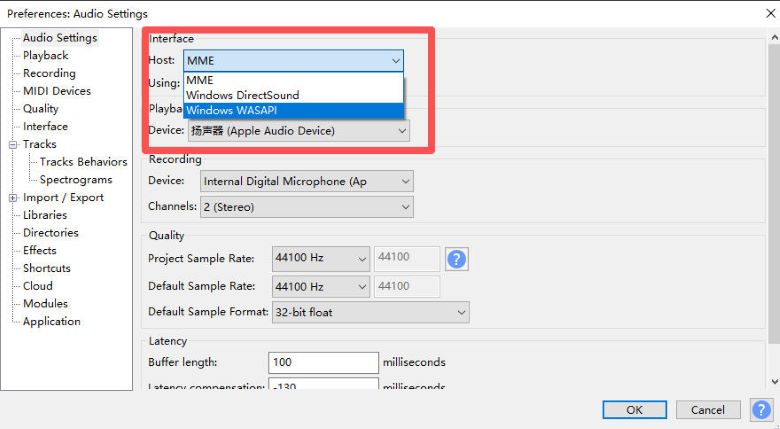
- Configure recording to capture computer playback:
- Open Audacity
- Look for the recording device dropdown (next to the microphone icon, usually says something like “Microsoft Sound Mapper”)
- Click it and select “Windows WASAPI” as the audio host
- Then select your speaker device with “(loopback)” at the end—e.g., “Speakers (Realtek Audio) (loopback)”
- What this does: Tells Audacity to record whatever your speakers are playing, not from a microphone
- Set basic quality (keep it simple):
- Sample rate: Choose 44100 Hz (standard CD quality)
- Format: MP3 at 320 kbps is fine for saving music; use FLAC only if you’re an audiophile with storage to spare
- Don’t worry: These settings capture the full quality SiriusXM streams at—web player doesn’t go higher anyway
- Start your recording:
- Click the red Record button in Audacity
- Open SiriusXM web player in your browser and start playing
- You should see the blue waveform moving in Audacity—this means it’s working
- Handle the 90-minute timeout:
- Keep Audacity recording
- When the popup appears, click “Keep Listening”
- Recording continues without interruption
- Save your recording:
- Click Stop when done
- Go to File → Export → Export as MP3
- What you get: One long audio file with everything you recorded
The manual work you’ll face: You now have a single long file with no track splits or song titles. If you recorded 3 hours of music, you’ll need to:
- Manually find where each song starts/ends (listen or use silence detection)
- Cut and save each track separately
- Look up song names and type them in yourself
- Find album artwork online and add it manually
Time estimate: A 3-hour recording takes 2-3 hours of post-processing work with free tools.
Mac: BlackHole Virtual Audio Device
MacOS doesn’t have built-in loopback recording. You need a free virtual audio driver called BlackHole that creates an internal audio pathway.
Setup steps:
- Install BlackHole (free virtual audio driver):
- Go to https://github.com/ExistentialAudio/BlackHole
- Download the latest 2ch (2-channel) version
- Open the downloaded .pkg file and follow the installation prompts
- You may need to restart your Mac after installation
- Create a Multi-Output Device (this lets you hear audio while recording):
- Open Audio MIDI Setup (find it in Applications → Utilities, or search Spotlight)
- Click the + button at the bottom left → Select “Create Multi-Output Device”
- In the right panel, check two boxes:
- BlackHole 2ch (this is what Audacity will record from)
- Your headphones or speakers (so you can hear what you’re recording)
- What this does: Routes audio to both your ears AND the recording software
- Set your system to use this Multi-Output Device:
- In Audio MIDI Setup, right-click your new “Multi-Output Device” → Select “Use This Device for Sound Output”
- Or go to System Settings → Sound → Output → Select “Multi-Output Device”
- Configure Audacity to record from BlackHole:
- Open Audacity
- Set recording device to “BlackHole 2ch”
- Set sample rate to 44100 Hz
- Record:
- Click Record in Audacity
- Play SiriusXM in your browser
- You should see the waveform moving—audio is flowing through BlackHole to Audacity
- Export: Same as Windows—one long file that you’ll need to manually split and tag.
Troubleshooting: If you can’t find Audio MIDI Setup, press Cmd+Space and type “Audio MIDI Setup” to search. If BlackHole doesn’t appear in the list after installation, restart your Mac.
Alternative for M1/M2 Macs: Some users report BlackHole compatibility issues on Apple Silicon. If you run into problems, consider Loopback by Rogue Amoeba (~$99) which is more robust, or try the free trial first.
Method 2: Split SiriusXM Radio Into Tracks Automatically (Cinch Audio Recorder)

If the manual labor of Audacity sounds exhausting, there’s software that handles the tedious parts automatically.
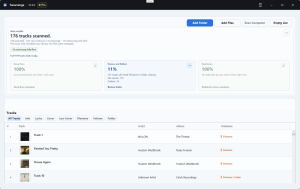
Cinch Audio Recorder does two things free tools don’t:
- Auto-split tracks: Detects silence between songs and splits them automatically—no more manually finding boundaries in a 3-hour file
- Auto-tag songs: Uses audio fingerprinting to identify each track and embed metadata (title, artist, album, cover art, even lyrics)
How it works differently from Audacity:
| Task | Audacity (Free) | Cinch (Paid) |
|---|---|---|
| Split tracks | Manually find boundaries, cut, label | Auto-split by silence detection |
| Identify songs | Search each song online yourself | Audio fingerprint auto-identify |
| Add metadata | Type in each field manually | Auto-embed ID3v2 tags |
| Download cover art | Search Google/Images, embed manually | Auto-download HD covers (500×500+) |
| Get lyrics | Find lyrics sites, copy-paste | Auto-download & embed lyrics |
| Time cost | 2-3 hours post-processing for 3-hour recording | ~10 minutes to review results |
Mac users: Skip the BlackHole hassle
If you’re on macOS and the BlackHole setup above looks intimidating, Cinch Audio Recorder has a mature Mac version that handles everything natively. No Audio MIDI Setup, no Multi-Output Device configuration—just install, click record, and it captures system audio with automatic track splitting and metadata tagging. This is the path most Mac users take after realizing the free route requires serious tinkering.
How the auto-tagging works:
Cinch uses audio fingerprinting—the same technology Shazam uses to identify songs. After recording each track, it analyzes the audio pattern and matches it against a database to automatically add:
- Song title and artist name
- Album and year
- Genre
- Album cover artwork
- Lyrics (optional)
When auto-tagging fails (and what to do):
Not every track gets identified. According to Cinch’s documentation:
- Rare or independent music: Too obscure for the database → Manually edit the info
- Live performances: Different audio fingerprint than studio versions → Use “Re-Identify” to retry
- Remixes and DJ sets: Modified versions may not match → Manually label or batch-edit
When fingerprinting fails, you get the audio file but with placeholder metadata. You can then:
- Right-click and “Re-Identify” to retry matching
- Use “Edit Info” to manually enter correct details
- Batch-edit multiple tracks at once
Trial before purchase:
The free trial lets you record and identify 9 songs. This is enough to test:
- Whether fingerprinting works for the SiriusXM channels you listen to (mainstream channels have high success rates; niche channels may struggle)
- Whether the auto-split logic handles transitions cleanly
- Whether the quality meets your standards
After trial, the full version unlocks unlimited recording. Pricing is a one-time license (not subscription)—check the official site for current rates, as these may vary.
Is it worth it?
That depends on how much you value your time. If you’re recording occasionally—say, saving a few favorite songs per month—the Audacity method works fine. But if you’re building a library of hundreds of tracks, or recording long blocks regularly, the manual processing adds up. It’s a simple math problem: spend 3 hours manually slicing audio in Audacity, or spend $35 to never do it again.
One more detail: Cinch captures audio at the system level using loopback, same as Audacity. It’s not “hacking” the stream or accessing encrypted APIs. It records what your speakers receive—which means it’s the same safety profile as the free method, just with automation layered on top.
Why Hardware Recorders (XMp3i/Stiletto) Are Dead Ends
You might see XMp3i or Sirius Stiletto 2 devices on eBay or Facebook Marketplace, advertised as “SiriusXM recorders.” Here’s why they’re traps in 2026.
XMp3i (Pioneer):
- Status: Discontinued years ago
- Authentication requirement: Requires at least 8 hours of live satellite signal per month. If you don’t maintain this, recorded content becomes unplayable—even files you already saved
- Current viability: Only available on secondary markets. Even if you find one, you need a satellite antenna and active subscription to keep it functional
- Reddit discussions from 2023 confirm users struggle with authentication and activation
Sirius Stiletto 2:
- Status: Discontinued; original manufacturer support ended
- Firmware fragility: Devices frequently brick from firmware corruption. When this happens, you need recovery software—but Sirius stopped releasing official recovery tools
- Third-party recovery: Services like TSS-Radio offer firmware restoration, but their own documentation states recovery success rate is around 60%—meaning 40% of bricked units can’t be saved
- Reddit threads from 2022 show ongoing issues with dead units and unreliable restoration
Why these devices fail as recording solutions:
- No long-term viability: Both devices rely on discontinued infrastructure. When the next backend change happens, they may stop working entirely
- Hidden costs: XMp3i needs monthly satellite reception; Stiletto may need $40+ recovery services
- Quality limitations: Hardware recorders use older compression, lower quality than modern web streams
- Fragility: One firmware crash can wipe your stored library
When hardware might still appeal:
- You collect vintage satellite radio devices
- You have no computer access but need offline playback
- You already own one and it’s still working (use it while it lasts, but don’t invest in buying one)
For anyone else in 2026: software recording on a computer is more reliable, higher quality, and doesn’t carry the authentication or bricking risks.
Next Steps: Start Recording Today
If you’re new to this, here’s your 15-minute test run:
- Download Audacity (free) from audacityteam.org and install it
- Open Audacity → Set recording device to “Windows WASAPI” → Select your speakers with “(loopback)”
- Set a phone timer for 85 minutes (to remind you about the timeout popup)
- Start recording in Audacity → Open SiriusXM web player → Play a song you want to save
- Check: Do you see the blue waveform moving in Audacity? If yes, it’s working!
- Record for 10 minutes → Click Stop → File → Export as MP3
You should now have: A working MP3 file with 10 minutes of SiriusXM audio. Listen to it—if it sounds good, you have a working setup.
Old-School Advice: When to Automate
If you only need to rip two or three tracks a month, Audacity is your tool. Download it, set up WASAPI loopback, and spend the 20 minutes manually cutting and tagging. No need to overthink it.
But if you’re archiving entire weekend DJ sets or building a serious offline library, spending three hours manually splitting tracks is a nightmare. Automating the split and ID3 tagging is the only way to stay sane. That’s where Cinch pays for itself—not in features, but in hours of your life you get back.
Before buying Cinch: Use the free trial (9 songs) to test if fingerprinting works for your favorite SiriusXM channels. Mainstream channels work great; niche channels may struggle.
Frequently Asked Questions
Can I record SiriusXM on my iPhone or Android?
No. SiriusXM uses HDCP and DRM protection. If you try to use your phone’s native screen recorder, the system will actively block the audio stream, resulting in a video with a black screen or complete silence. You must use computer-level loopback recording instead.
Why does my SiriusXM recording suddenly go silent after an hour?
The SiriusXM web player has an inactivity timeout. After about 90 minutes of no mouse interaction, it prompts “Are you still listening?” and stops the audio stream. Your recording software continues to run, but it only captures the resulting silence. Set a timer for 85 minutes and click “Keep Listening” when the popup appears.
Is it illegal to record SiriusXM radio?
Recording streams for strictly personal, non-commercial offline listening is generally considered acceptable and falls under traditional “fair use” principles, similar to recording a TV broadcast on a DVR. However, distributing, sharing, or selling these recordings violates the Terms of Service and copyright laws. Keep your recordings private, don’t share them online, and you’ll be fine.