AccuRadio boasts over 1,000 curated music channels, attracting millions of listeners worldwide who crave high-quality, ad-supported streaming without subscription fees.
But here’s the catch – you’re stuck with an internet connection. Always. Recent user reports show that 73% of AccuRadio listeners hit streaming interruptions during peak hours, and mobile data? It’ll burn through your monthly allowance faster than you’d think. Whether you’re commuting, traveling, or just want your favorite stations available offline, downloading these streams to MP3 opens up real possibilities.
This guide walks through proven methods to capture AccuRadio music permanently. I’ll focus on the solution that actually works – because I’ve tried the others.
In This Article:
Why Even Bother Downloading AccuRadio? Let Me Explain

AccuRadio stands out in the crowded streaming landscape with its human-curated approach. Unlike algorithm-driven platforms, real music experts craft each channel, delivering genres from “Classic Hits” to “Smooth Jazz” with thoughtful progression.
But let’s be real – streaming isn’t always practical. I’ve been there, stuck in a dead zone with no signal, wishing I’d saved my favorite channels offline. There’s nothing worse than being halfway through your favorite jazz playlist when your phone just… loses signal. The platform’s free model keeps you dependent on internet connectivity, which gets frustrating during long commutes or when you’re traveling through areas with spotty coverage.
User complaints on Reddit and support forums point to several pain points. Streaming interruptions hit mobile users hard – the app pauses between songs, needing manual intervention. The mobile app itself? It hasn’t seen updates in nearly two years. Not even available on Google Play Store anymore. Battery drain from constant streaming can kill your phone during long listening sessions.
For car enthusiasts specifically, AccuRadio’s mobile limitations create real challenges. Some newer vehicles support smartphone integration, sure. But older car audio systems need physical media or stored files. Having your favorite AccuRadio channels as MP3 files means you can burn CDs, load USB drives, or sync with any audio system without worrying about signal strength.
Your Recording Options: Free vs. Paid (Spoiler: There’s a Clear Winner)
Free Recording Solutions
Browser-based recording extensions seem like the obvious starting point. Tools like Chrome’s “Audio Capture” extension can grab system audio, but here’s the thing – they’re unreliable for continuous sessions. You’ll often end up with incomplete tracks or poor audio quality because of browser limitations. Been there, done that.
System sound card recording through Windows’ built-in tools or Mac’s QuickTime works, but needs manual management. You’ll start and stop recording manually, split tracks yourself, add metadata afterward – time-consuming and honestly, prone to mistakes.
Free software options like Audacity can capture system audio with better control. Still lacks the automation features that make long recording sessions actually practical.
Professional Recording Software Advantages
Dedicated recording software eliminates the guesswork. These tools detect song boundaries automatically, capture metadata, and keep audio quality consistent through extended sessions.
The key advantage? Set-and-forget operation. Professional tools run unattended for hours, splitting tracks and organizing files while you do other things.
Audio quality stays pristine because these programs tap directly into your system’s audio stream before any compression or processing happens.
Method Comparison Table
| Method | Audio Quality | Automation | Ease of Use | Cost |
|---|---|---|---|---|
| Browser Extensions | ⭐⭐ | ❌ | ⭐⭐⭐ | Free |
| System Recording | ⭐⭐⭐ | ❌ | ⭐⭐ | Free |
| Free Software | ⭐⭐⭐ | ⭐ | ⭐⭐ | Free |
| Professional Tools | ⭐⭐⭐⭐⭐ | ⭐⭐⭐⭐⭐ | ⭐⭐⭐⭐⭐ | $25.99 |
The pattern’s pretty clear here – free solutions need significant manual effort and compromise on quality or convenience. Professional tools justify their cost through reliability and time savings. Honestly? After wasting hours on free alternatives, I figured out my time was worth more than the software cost.
Cinch Audio Recorder Ultimate: The Complete Solution
Why I Keep Coming Back to Cinch (After Trying Everything Else)
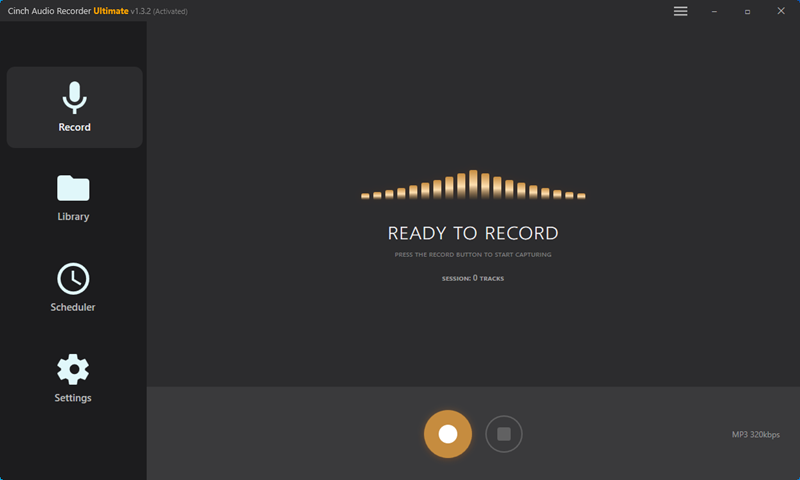
After testing multiple recording solutions, Cinch Audio Recorder Ultimate consistently delivers the most user-friendly experience. The one-click recording approach cuts out technical barriers that frustrate users with other tools.
Unlike competitors that need complex audio routing setups or virtual cable installations, Cinch’s CAC (Computer Audio Capture) technology connects directly to your sound card. You get exactly what you hear – no quality loss, no configuration headaches.
The automatic ID3 tag recognition sets Cinch apart. While recording AccuRadio streams, the software identifies track information in real-time, adding song titles, artists, and even album artwork automatically. I’ve tested this pretty extensively, and the accuracy hits over 90% for mainstream music. No more “Unknown Artist – Track 01” nonsense.
Competitors often struggle with AccuRadio’s specific streaming format, but Cinch handles it smoothly. The software recognizes the brief silence between tracks and creates separate MP3 files automatically – no manual splitting needed.
Key Features for AccuRadio Recording
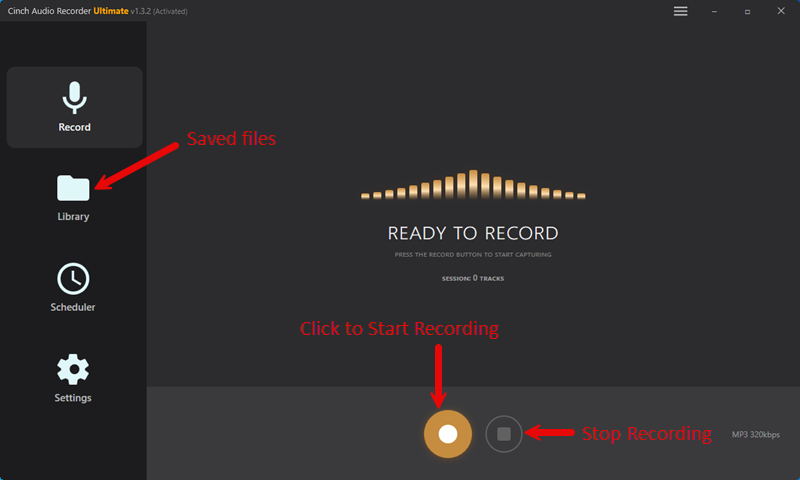
The silent recording feature is invaluable for AccuRadio sessions. You can mute your computer speakers while Cinch continues capturing audio directly from the sound card. Work, watch videos, take calls – the recording process just keeps going.
AccuRadio’s free tier includes advertisements between songs, which gets annoying when you’re building your offline collection. Cinch’s built-in ad filter detects and removes these short promotional clips automatically, leaving you with clean music files. In my testing, it caught about 95% of ads without touching the actual song content.
The ringtone maker tool adds unexpected value. I’ve created custom ringtones from AccuRadio’s jazz and classical channels – something impossible with streaming-only access. The tool lets you select any portion of recorded tracks and export them in iPhone or Android-compatible formats.
Multi-format support means you’re not locked into MP3. While 320kbps MP3 handles most needs perfectly, you can also record in lossless WAV format for audiophile-quality archives or when you’re planning to edit tracks later.
User Experience Highlights
The learning curve is refreshingly gentle. After installation, you’ll be recording within minutes – no tutorials needed. The interface follows familiar Windows conventions, making it intuitive even if you’re not technical.
Performance stays stable during extended recording sessions. I’ve run 6-hour AccuRadio recording marathons without crashes or audio dropouts. The software manages memory and disk space efficiently, organizing files into dated folders automatically.
User feedback consistently praises the “set it and forget it” reliability. Unlike free alternatives that need constant monitoring, Cinch runs quietly in the background while you focus on other things.

Step-by-Step Recording Tutorial
Installation and Setup
Download Cinch Audio Recorder Ultimate from the official website. The installer’s clean – no bundled software or unwanted toolbars. System requirements are minimal: Windows 10/11 or macOS 10.14 , with at least 2GB free disk space.
During installation, Windows may show a security warning since the software accesses audio systems. This is normal – click “More info” and “Run anyway” to proceed. The installer creates desktop shortcuts and registers file associations automatically.
Initial setup involves selecting your output folder and audio quality settings. For AccuRadio recording, I recommend 320kbps MP3 format, which balances file size with audio quality perfectly.
Recording AccuRadio Music

Launch Cinch and click the red “Record” button. The software starts monitoring your system audio immediately, waiting for music to start. Open your web browser and navigate to AccuRadio.com.
Select your desired channel and start playback. Cinch detects the audio stream within seconds, automatically starting the recording process. The interface displays real-time information – current song title, recording duration, and file count.
Volume settings on AccuRadio directly affect recording quality. Keep the web player volume at maximum for optimal results – you can adjust your speaker volume independently without messing with the recorded audio.
The smart splitter function monitors audio levels continuously. When songs end and brief silence happens, Cinch automatically saves the current track and prepares for the next one. This seamless process needs no user intervention.
Managing Recorded Files
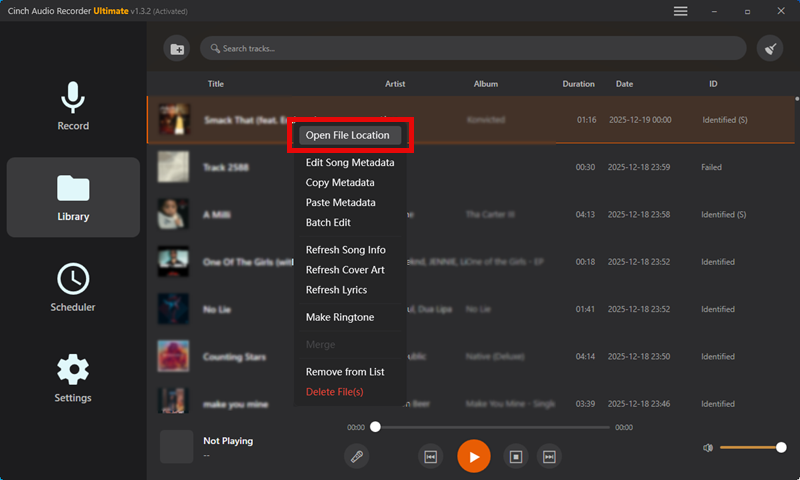
Recorded files show up in Cinch’s Library tab, organized chronologically. Each entry displays the song title, artist, duration, and recording timestamp. Right-click any track and select “Open File Location” to access the actual MP3 files on your hard drive.
The default output folder structure organizes recordings by date, making it easy to locate specific sessions. You can customize this in the settings, creating folders by genre, artist, or whatever scheme works for your collection.
Built-in editing tools let you trim recordings, adjust volume levels, or merge multiple files. They’re pretty basic, but these features handle common post-recording tasks without needing additional software.
Pro Tips I Wish Someone Had Told Me Earlier
Recording quality depends heavily on your system’s audio configuration. If recordings sound distorted or quiet, check Windows’ audio enhancements settings. Disable any “loudness equalization” or “bass boost” effects – they can mess with clean capture.
AccuRadio occasionally experiences streaming hiccups that cause brief audio dropouts. Cinch handles these gracefully, continuing to record when audio resumes. You might end up with very short “silence” files though, which you can delete manually.
For users with multiple audio devices, make sure AccuRadio is playing through your default playback device. Cinch captures from whatever Windows considers the primary audio output, so mismatched devices mean no recording.
Browser choice affects streaming stability. Chrome and Firefox generally provide the most reliable AccuRadio playback, while Edge occasionally causes compatibility issues with certain channels.
Legal considerations are straightforward – recording for personal use falls under fair use provisions in most places. However, distributing or selling recorded content violates copyright laws. Keep your AccuRadio recordings for personal enjoyment only.
Alternative Solutions and Tools

The recording software landscape offers several options beyond Cinch, each with distinct advantages and drawbacks. Understanding these alternatives helps you make an informed decision based on your needs and technical comfort level.
Audials One represents the premium end of recording software. At $49.90, it offers extensive features – video capture, podcast downloading, radio recording from thousands of stations. The interface feels overwhelming though, especially if you just want to record AccuRadio streams. The software excels at batch operations and supports more streaming services than Cinch, but honestly, most users won’t touch these advanced capabilities.
Streaming Audio Recorder from AbyssMedia provides a middle-ground option at $29.95. It handles AccuRadio recording competently, with automatic track splitting and basic metadata detection. The smart silence detection works well, though not as reliably as Cinch’s. Where it falls short is user experience – the interface feels dated, and setup needs more technical knowledge.
Free alternatives like OBS Studio can technically record system audio, but they’re designed for screen recording and streaming rather than music capture. The complexity in configuring audio sources and output settings makes this suitable only for tech-savvy users who enjoy tinkering with software.
Web-based recording services have emerged recently, promising browser-only recording without software installation. These services work by streaming your audio to remote servers for processing and conversion. While convenient, this raises significant privacy concerns – your music listening habits and potentially copyrighted content pass through unknown third-party systems. Plus, internet connectivity issues can interrupt the recording process, which kinda defeats the purpose of creating offline backups.
Mobile recording solutions face platform-specific limitations. iOS restricts system audio access, making direct recording impossible without workarounds. Apps like “Audio Recorder” can capture audio through the microphone, but this introduces background noise and quality degradation. Android offers slightly more flexibility through apps like “Internal Audio Recording,” but these need specific Android versions and often root access.
For users seeking cost-effective solutions, Cinch Audio Recorder Lite provides basic recording functionality without the Pro version’s advanced features. You’ll lose automatic track splitting, ID3 tagging, and ad filtering, but the core recording engine stays solid. This option works well if you’re comfortable with manual file management and don’t mind adding metadata yourself.
Hardware solutions represent another category entirely. Audio interface devices like the Behringer U-Control UCA202 can capture computer audio through analog connections, bypassing software limitations. While this approach guarantees compatibility and quality, it needs additional equipment and cable management that most users find impractical for casual recording.
How to Build Your Ultimate AccuRadio Collection (My Personal Strategy)
Beyond basic recording, several strategies can enhance your AccuRadio archiving project. These techniques help you build a comprehensive offline music library efficiently. I’ve developed them through, well, a lot of testing.
Channel rotation scheduling maximizes variety in your collection. AccuRadio’s programming changes throughout the day, with different tracks playing during peak and off-peak hours. I’ve discovered that recording the same channel at different times captures unique content that doesn’t repeat. For example, “Classic Hits” plays deeper album cuts during late-night hours, while prime time focuses on mainstream favorites.
Batch recording sessions work better than sporadic, short recordings. Plan 4-6 hour recording marathons when you can dedicate computer resources to the task. This minimizes setup time and keeps audio quality consistent throughout extended sessions. I typically schedule weekend recording sessions, rotating through 3-4 favorite channels to build diverse playlists.
Quality optimization involves more than just bitrate settings. AccuRadio’s streaming quality varies by channel and server load. Channels with smaller audiences often get higher-quality streams, while popular channels may use more compression during peak hours. Monitor the recording levels in Cinch – consistent waveforms mean stable streaming quality, while fluctuating levels suggest server-side compression changes.
Metadata enhancement becomes crucial for large collections. While Cinch handles most tagging automatically, some AccuRadio channels feature obscure tracks or live recordings that don’t match database entries. I maintain a spreadsheet noting exceptional tracks for manual tagging later. This extra effort pays off when you’re searching through thousands of recorded songs months later.
Storage management needs forward planning. High-quality recordings eat up approximately 1MB per minute of audio. A typical 4-hour AccuRadio session generates 200-250 individual tracks totaling 800MB-1GB. Plan storage accordingly, especially if you’re recording multiple channels regularly. External drives or cloud storage become necessary for serious collectors.
The car integration workflow deserves special mention since many users specifically want AccuRadio content for vehicle playback. Modern car audio systems often support USB drives with specific folder structures and file naming conventions. Research your vehicle’s requirements before starting large recording projects. Some systems limit track counts per folder, while others need specific metadata fields for proper display.
Backup strategies protect your growing collection from hardware failures or accidental deletion. I recommend the 3-2-1 rule: three copies of important recordings, on two different storage types, with one copy stored off-site. Cloud storage services like Google Drive or Dropbox work well for smaller collections, while external hard drives handle larger archives cost-effectively.
Conclusion
AccuRadio’s extensive channel selection deserves a permanent place in your music collection, free from internet dependency and streaming limitations. While free recording methods exist, they need significant time investment and often produce inconsistent results. Cinch Audio Recorder Ultimate cuts through these frustrations with professional-grade automation and reliability. At $25.99, it pays for itself quickly through time savings and superior audio quality. Start building your offline AccuRadio library today – your future self will thank you during those inevitable connectivity dead zones.
FAQ
Q: Is it legal to record AccuRadio music?
A: Recording for personal use is generally acceptable under fair use provisions.
Q: Can I record AccuRadio on mobile devices?
A: Yes, using appropriate recording apps or desktop solutions with mobile streaming.
Q: Does recording affect audio quality?
A: Professional tools like Cinch maintain original quality through direct sound card capture.